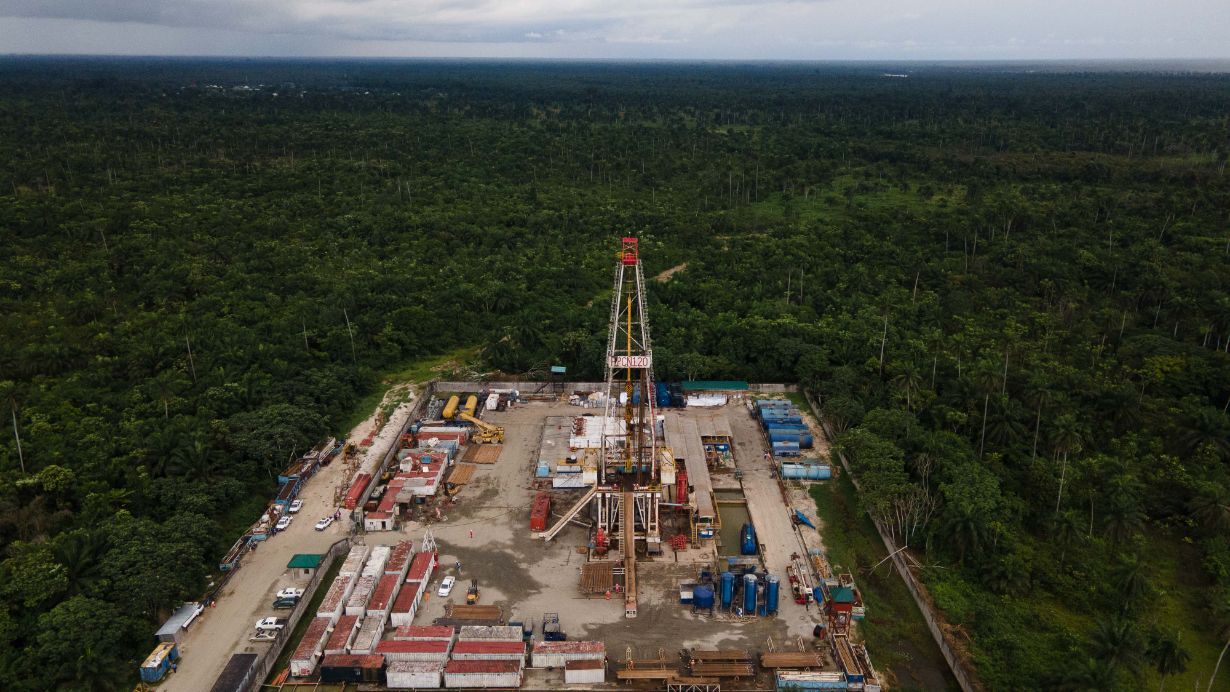
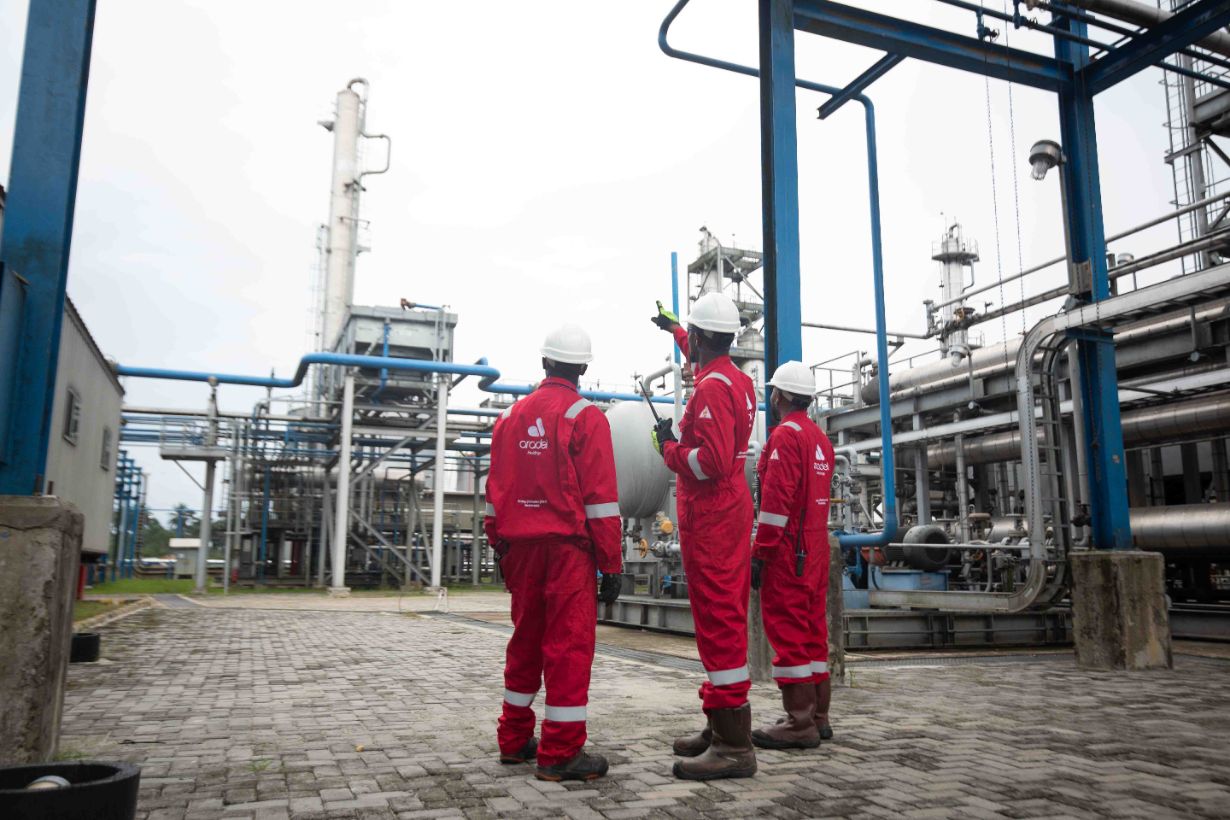
With the global energy landscape evolving rapidly, Aradel recognises the importance of embracing the energy transition to shape a resilient future. We view midstream development—particularly gas processing, transportation, and distribution—as a critical enabler of decarbonisation, expanded energy access, economic development, and climate resilience. Our commitment to reducing carbon emissions, mitigating climate change, and diversifying energy sources is evident in our commissioning of a 100 million standard cubic feet per day (mmscf/d) gas plant in 2012, which supports the efficient monetisation of natural gas as a cleaner transition fuel, while also eliminating routine gas flaring.
The implementation of the ‘Decade of Gas Programme’ in Nigeria, set to run from 2021 to 2030, aims to achieve industrialization, economic prosperity, and tackle energy poverty by promoting gas as an enabler. Aradel firmly supports this agenda and actively participates in driving the attainment of a gas-powered economy by 2030.
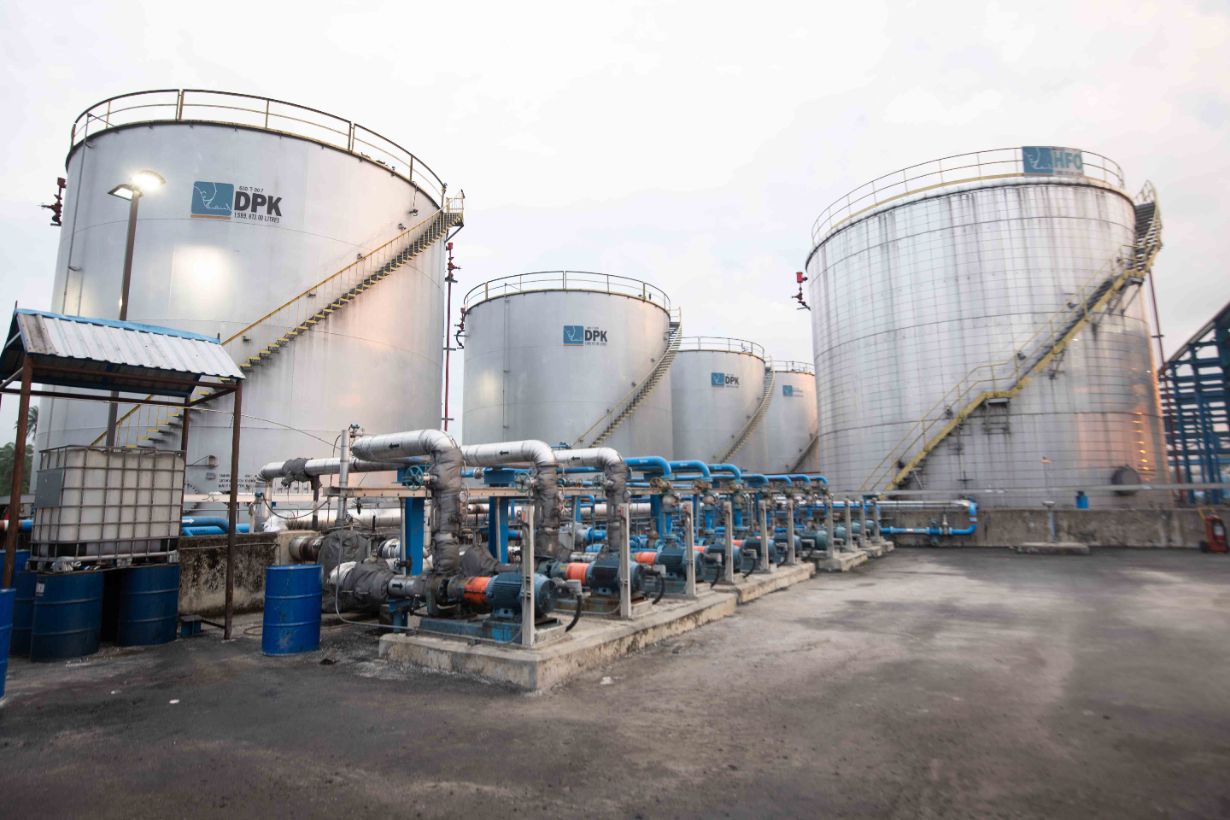
Innovation is fundamental to a successful energy transition. Aradel’s track record of innovation is evidenced by our pioneering initiatives in the oil and gas sector, such as negotiating the first-ever farm-out agreement in 2000, commissioning a 1,000 barrels per day (bbls/d) modular refinery in 2010, and becoming the first fully integrated indigenous energy company. We continue to invest in research and development to explore emerging technologies and digital solutions while collaborating and forming strategic partnerships across sectors with local and international stakeholders to foster knowledge sharing, joint research, and innovation.
With a strong commitment to responsible business practices, environmental stewardship, and social responsibility, Aradel is dedicated to advancing Nigeria’s energy transition and contributing to the global shift towards cleaner, more sustainable energy.