
Sustainability
Our approach to sustainability is grounded in responsible operations, stakeholder value, and long-term resilience.
Sustainability Embedded in How We Operate
At Aradel, sustainability is not a separate initiative, it is embedded into the very fabric of our corporate strategy. We recognise that long-term success in the energy sector depends on balancing profitability with responsibility, and we have deliberately structured our approach around three strategic pillars: Environment, Social, and Governance (ESG).
These pillars guide our decisions, shape our operations, and ensure that we deliver value not only to shareholders but also to communities, regulators, and future generations.
Our Approach
A deliberate and impact-driven approach to sustainability
Our ESG pillars are directly linked to the material topics that matter most to our stakeholders. Through continuous engagement with communities, regulators, employees, and investors, we identify and prioritise issues that have both financial materiality, affecting our business performance, and impact materiality, where our operations affect society and the environment.
We are deliberate and impact-driven, focused on strengthening Nigeria’s energy security, reducing environmental impact, and enabling inclusive economic growth.
Double Materiality
Financial materiality
How sustainability issues affect business performance.
Impact materiality
How Aradel's operations affect people, communities, and the environment.
By embedding the principle of double materiality, we ensure that our sustainability strategy is robust, transparent, and aligned with global best practice.
Environment
Environmental Stewardship
Aradel is committed to minimising its environmental footprint while enabling a pragmatic and inclusive energy transition. Environmental stewardship is embedded in our operational culture and driven by a commitment to continuous improvement and innovation.
We go beyond regulatory compliance by actively monitoring our environmental performance and implementing forward-looking solutions that reduce our footprint while creating value.
Read more Show less
At the heart of this commitment is our Resource Conservation Procedure, which ensures efficiency and responsible resource utilisation. We employ innovative technologies and practices to optimise consumption, reduce waste, and contribute to a circular economy. Energy efficiency is promoted through awareness campaigns, monitoring electricity use, regular maintenance for improved efficiency, and the deployment of energy-saving devices. Water and waste management are also accorded high priority, reinforcing our holistic approach to sustainability.
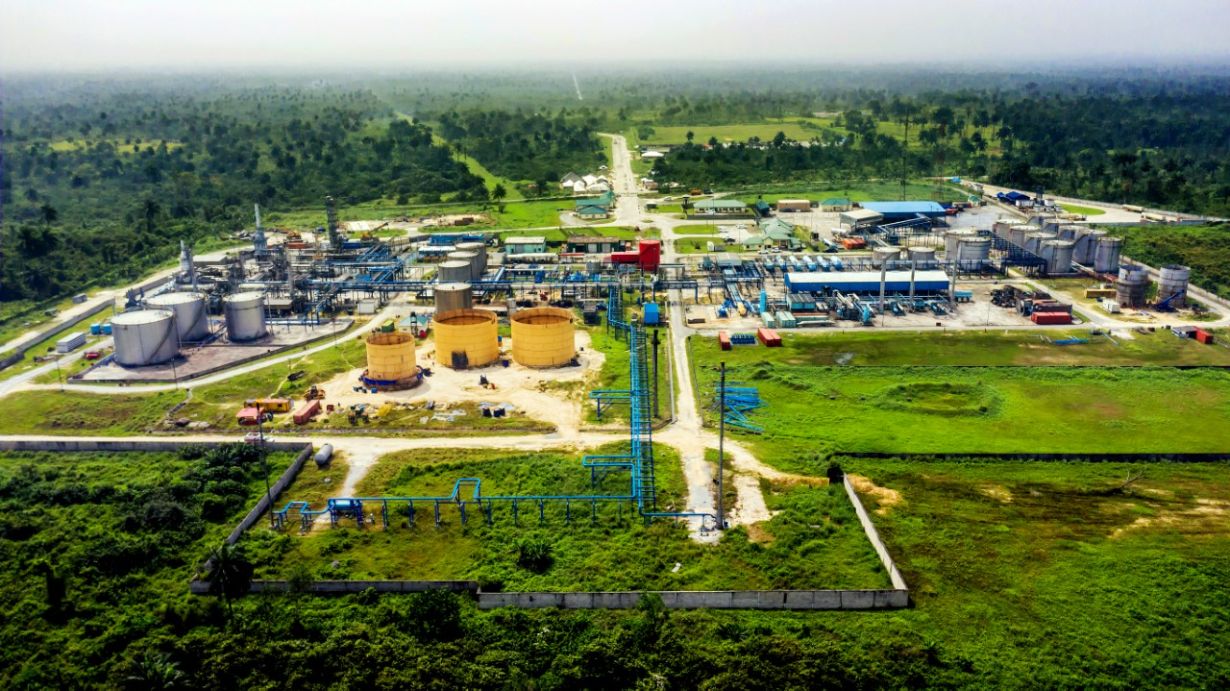
A defining achievement in our environmental journey is the installation of a gas gathering facility at the Ogbele Integrated Facility, which ensures that routine flaring is eliminated from our operations. This milestone underscores our leadership in supporting Nigeria’s energy transition and aligns with global climate goals.
Our commitment to environmental sustainability goes beyond compliance, it is a genuine pledge to leave the environment in a better state for future generations.
Guided by our Environmental and Social Policy, we protect and preserve the environment while engaging transparently with stakeholders. Aradel has further demonstrated its commitment by endorsing the World Bank’s Zero Routine Flaring (ZRF) by 2030 initiative and has been recognised for its efforts in this area.
Through these initiatives, Aradel provides assurance to stakeholders that our environmental strategy is robust, future-ready, and capable of delivering long-term value while safeguarding the planet.
- ISO 45001:2018 Attained in 2026, this Occupational Health and Safety Management System certification reinforces operational excellence and workplace safety.
- ISO 14001:2015 Environmental Management Systems certification (EMS 760652), affirming effective environmental management practices.
- ISO 9001:2015 Quality Management Systems certification, strengthening our integrated approach to sustainability, quality, and safety.
- Zero Routine Flaring Aradel has endorsed the World Bank’s Zero Routine Flaring by 2030 initiative.
Governance
Strong governance is the backbone of Aradel’s sustainability strategy. Our Board of Directors holds ultimate responsibility for ensuring that sustainability is integrated into corporate decision-making, risk management, and long-term value creation.
To strengthen this oversight, the Board has established a dedicated Sustainability Board Committee, which provides strategic direction and monitors progress against our ESG commitments.
Read more Show less
Supporting this governance framework are Sustainability Champions across our business units, who embed sustainability into daily operations, and a Sustainability Management Committee, which coordinates implementation, tracks performance, and ensures alignment with stakeholder expectations. Together, these structures guarantee that sustainability goes beyond compliance, it is part of our organisational DNA.
Aradel maintains robust governance frameworks and policies to guide all stakeholders, including our Business Code of Conduct, Environmental and Social Policy, HSE Policy, and Resource Conservation Procedure. These frameworks ensure transparency, accountability, and ethical decision-making across the company.
Energy Access
Energy Leadership and Access
Access to reliable and affordable energy is crucial for driving economic development and improving the quality of life in communities. Aradel acknowledges the importance of energy access and works towards providing sustainable energy solutions that promote economic growth to underserved areas.
As the first private refinery in Nigeria and the first Nigerian company to supply gas to NLNG, Aradel has demonstrated its capacity to deliver bankable projects that expand energy access while supporting the Decade of Gas Programme. By also being the first private refinery to sell diesel, kerosene, and marine diesel oil, Aradel reinforces its leadership in Nigeria’s energy transition and its ability to meet diverse energy needs.
Read more Show less
We offer an increasingly diverse energy mix, with a greater focus on gas development as the energy transition evolves and progresses. This energy transition contributes to reducing pollution, improving air quality, and mitigating the environmental impact from our operations.
Aradel firmly supports the implementation of the Decade of Gas Programme in Nigeria, which is set to run from 2021-2030 and is aimed at achieving industrialisation, economic prosperity, and tackling energy poverty by using gas as an enabler. Consequently, Aradel is actively participating in driving the attainment of a gas-powered economy by 2030 through its subsidiary, Aradel Gas.
- First private refinery in Nigeria A milestone that reinforces Aradel’s role in expanding domestic energy access.
- First Nigerian company to supply gas to NLNG A demonstration of Aradel’s capacity to deliver bankable energy projects.
- Support for the Decade of Gas Programme Aradel supports Nigeria’s gas-powered economy ambition through its subsidiary, Aradel Gas.
- Increasingly diverse energy mix The Company continues to focus on gas development as the energy transition evolves.
Sustainability Case Studies
Aradel’s sustainability and community development initiatives are creating lasting positive impact in the communities where it operates. Through these case studies, beneficiaries share how Aradel’s investments in energy access, poverty alleviation, cultural heritage preservation, and healthcare have improved lives and supported sustainable development.
Social
Social Impact
For Aradel, social impact entails making positive and meaningful contributions to our communities and society at large through various activities and initiatives.
Employees
Aradel values its employees and fosters a responsible, creative, and safe working environment with training for skill development. Our Health, Safety, and Environment policy lays the foundation for a safe and secure work environment. We continuously reduce our Total Recordable Case Frequency (TRCF) and adopt international best practices through our HSE team.
Communities
Aradel is deeply committed to building strong, enduring partnerships with our host communities and advancing their long-term, sustainable development. We prioritise continuous engagement, mutual respect, and collaboration as the foundation for fostering stability and delivering shared value.
Demonstrating early leadership in sustainable community engagement, Aradel pioneered the Host Communities Development Trust model, successfully operating it from 2002 to August 2022. This forward-thinking approach to structured community development was later reflected in the framework formalised under the Petroleum Industry Act (PIA) of 2021, reinforcing our role as a trailblazer in fostering mutually beneficial and sustainable host community relationships.
Read more Show less
Building on this legacy, and in alignment with the provisions of the PIA, Aradel further strengthened its approach with the inauguration of the Murali Host Community Development Trust (MHCDT) on 1 August 2023. This milestone underscores our continued commitment to innovation in community engagement, sustainable impact, and the creation of long-term shared value.
Aradel’s approach goes beyond compliance, we actively drive inclusive growth through targeted social investments, economic empowerment initiatives, and environmental stewardship. Through transparent stakeholder engagement, strategic infrastructure development, and robust capacity-building programmes, we deliver measurable improvements in quality of life and strengthen community resilience.
Guided by our principles of sustainability, partnership, and accountability, Aradel continues to set the benchmark for responsible corporate citizenship in the oil and gas industry, creating lasting value for our communities and stakeholders alike.